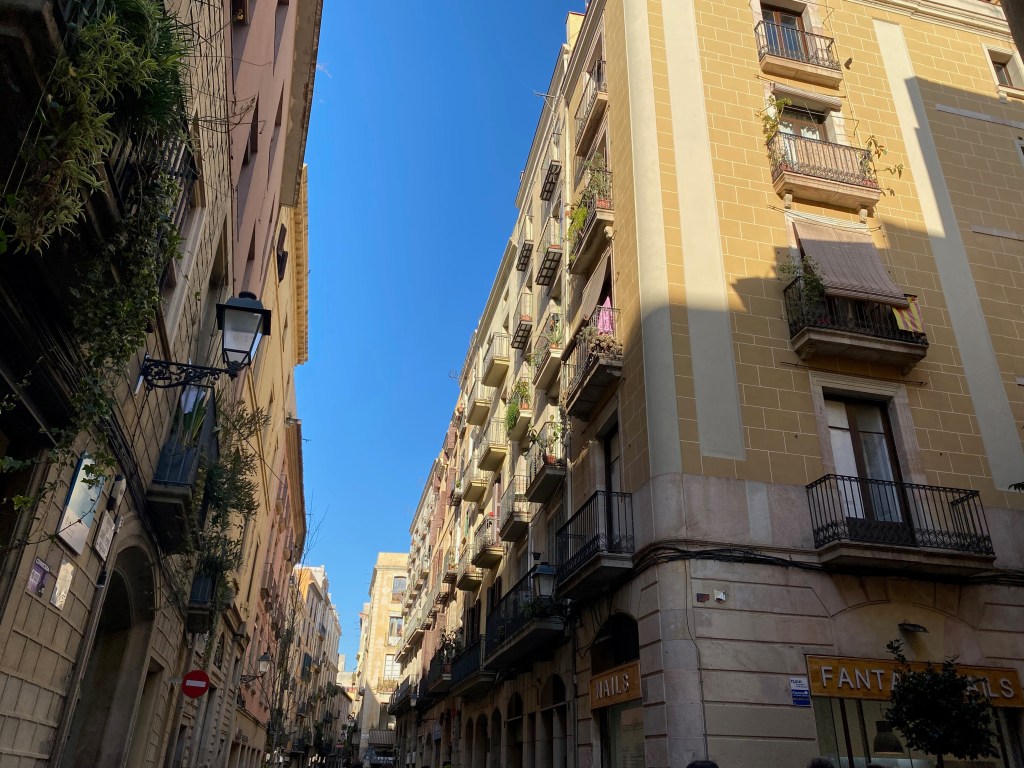
To begin, “Els Gremis” or guilds were associations of artisans or merchants who would oversee the practice of their craft or trade in a particular area.
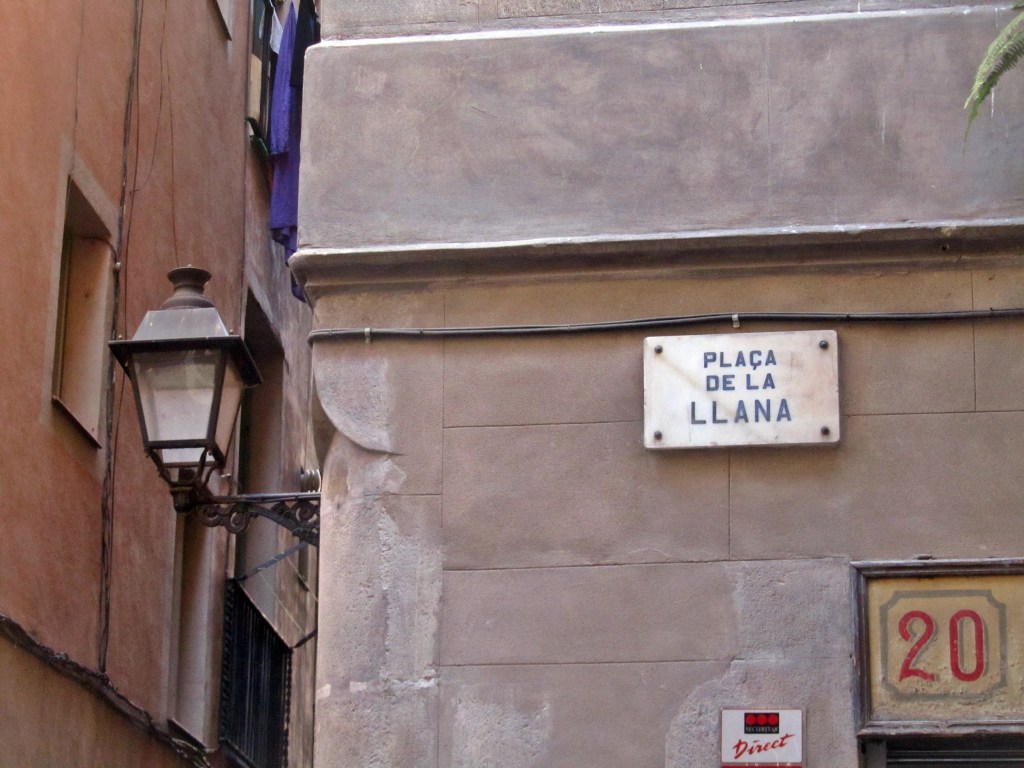
La Placa De La Llana: This street within the La Libera Quarter is related to the Catalan Guilds because every guild was dedicated to a street or area name and this specific square “La Placa de la Llana” was dedicated to the guild of the wool-makers. “La Placa de la Llana” of La Libera Quarter is related to the Catalan Guilds because every guild was dedicated to a street or area name – and this specific square “La Placa de la Llana” was dedicated to the guild of the wool-makers.
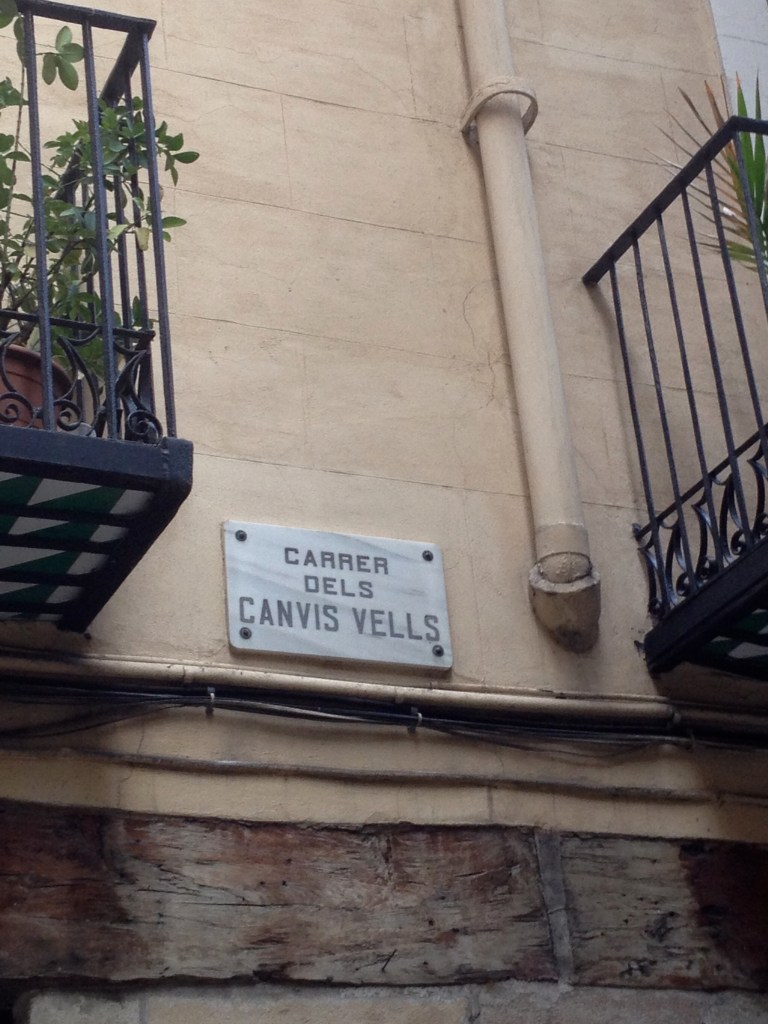
Carrer Dels Canvis Vells: This street was named after the main financial area in La Ribera quarter. It is located right next to the sea which made this street perfect for trade.
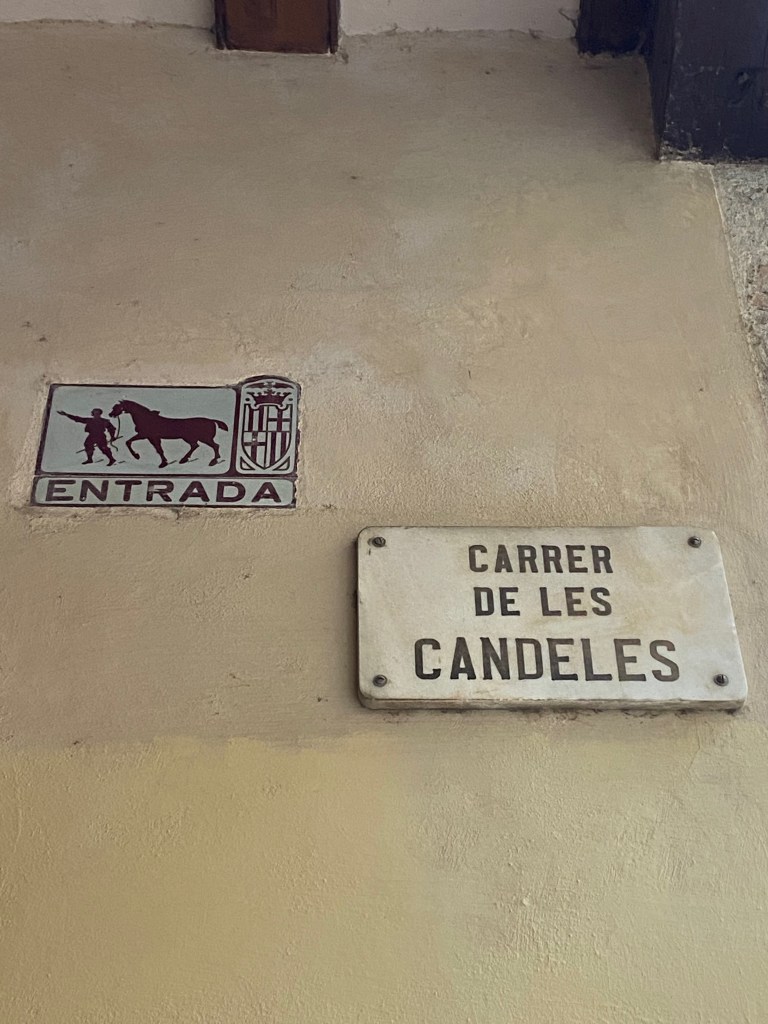
Carrer De Les Candeles: This street was where the guild of the candlemakers was located. Due to the popular demand of candles back in this time period and no electricity, this guild was extremely important.
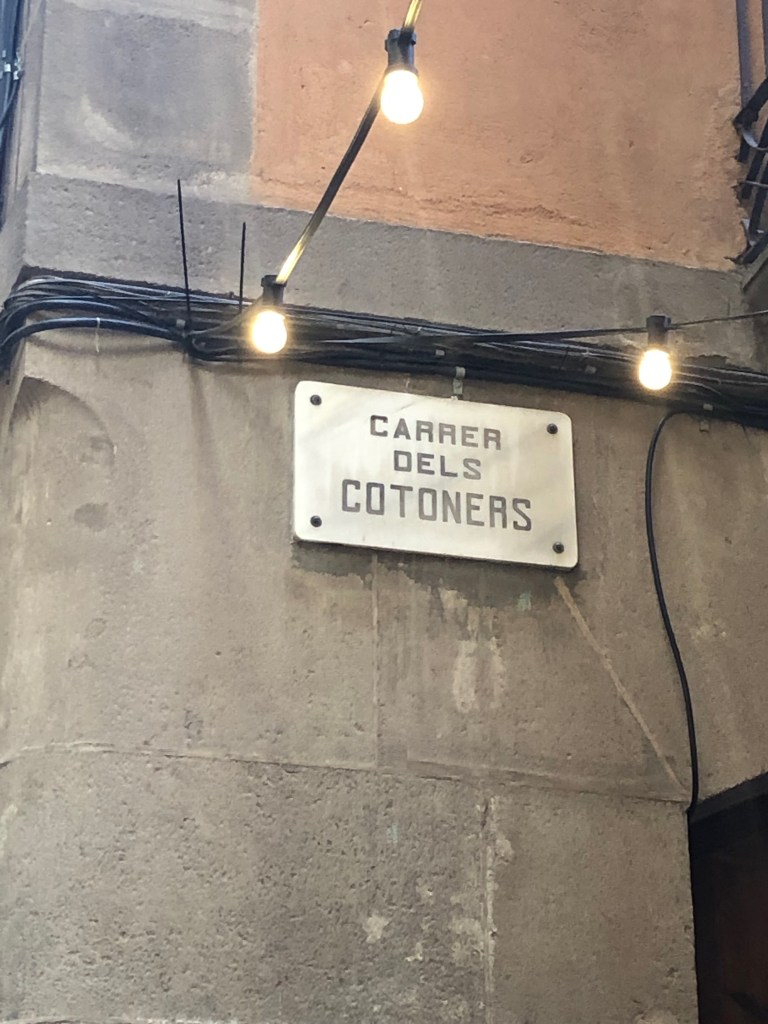
Carrer Dels Cotoners: This guild in La Ribera is named after the cotton worker’s. In this time period, wool and cotton were very important for crafting clothes and other textiles.
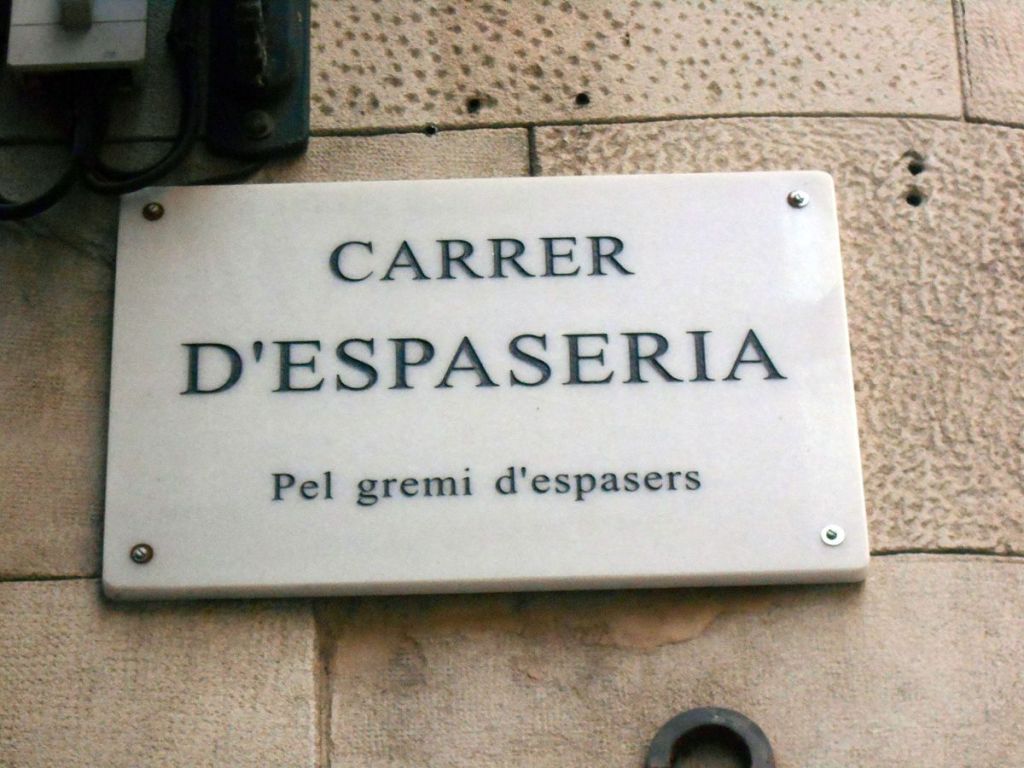
Carrer D’Espaseria: This street is named after the swordsmiths guild. The swordsmiths provided the weaponry to defend the city of Barcino. It is near the chapel Santa Maria del Mar.
The house-workshop, “La Casa Taller” was the typical craftmanship family house. The same place to live and work. In the houses, workshops were usually organized on the first floor, and the next two or three floors up were where the family lived. The higher up floors were designated to lower classes, for example where the slaves would stay or work.
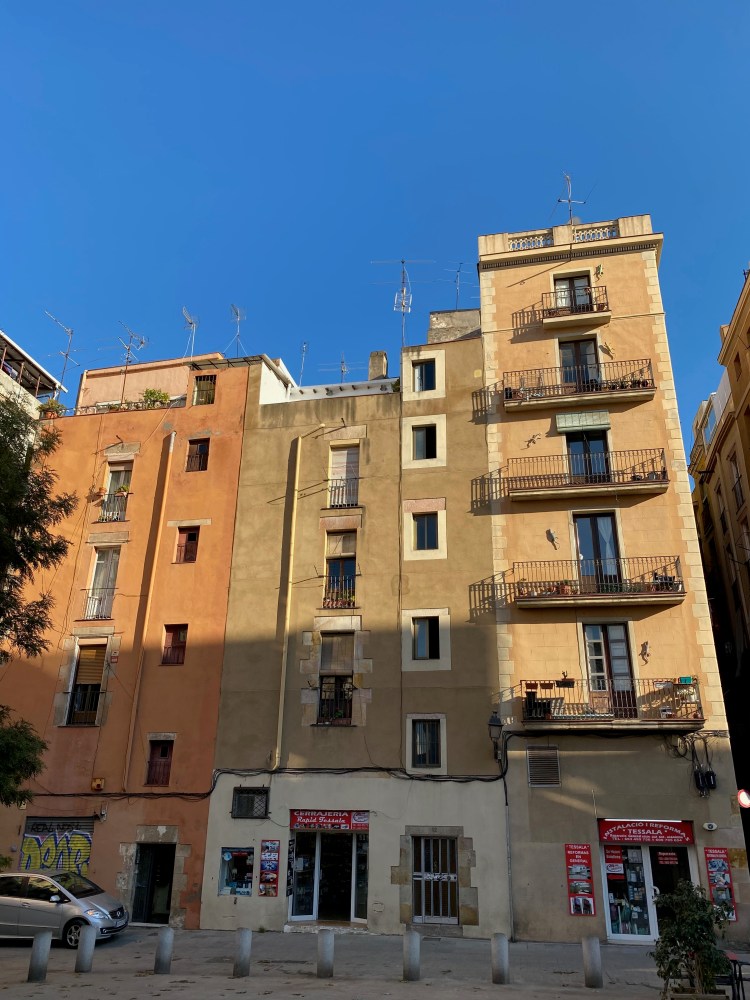
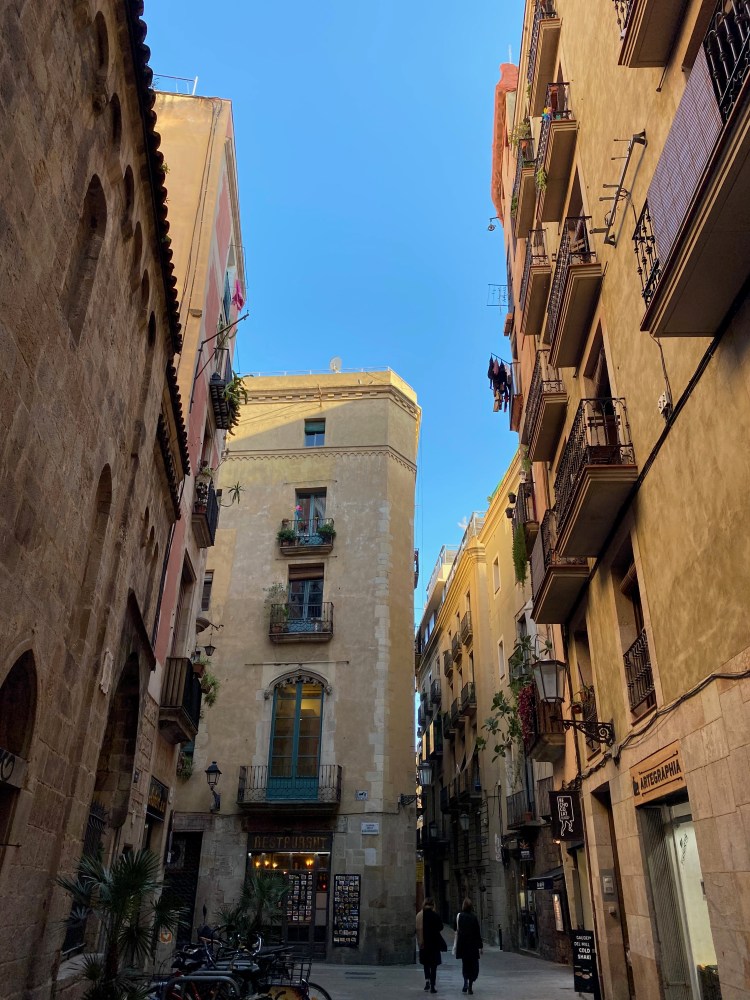
A few main architectural aspects that distinguish the craftmanswork buildings to the industrial production ones are, the structure of the craftmanship family house. They were tall, narrow buildings, made of long-lasting stone. The home-owner lived above their shop or business with their families and tenants. This is not common in modern day family homes. Industrial production buildings are almost always seperate from residential buildings in today’s society.
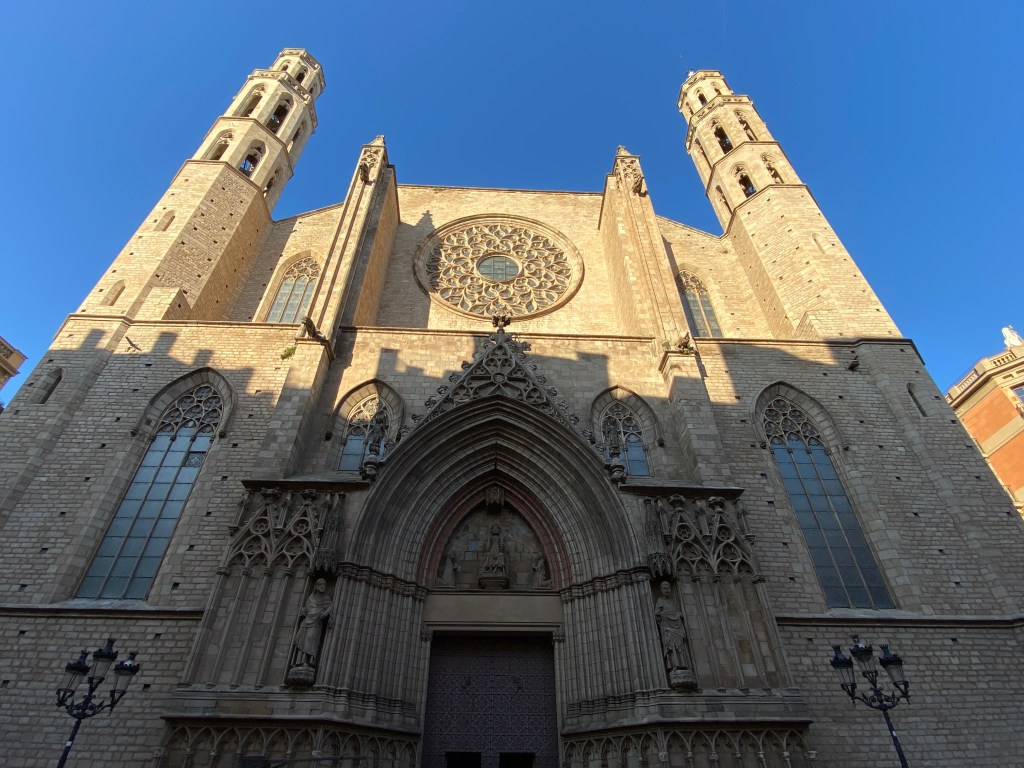
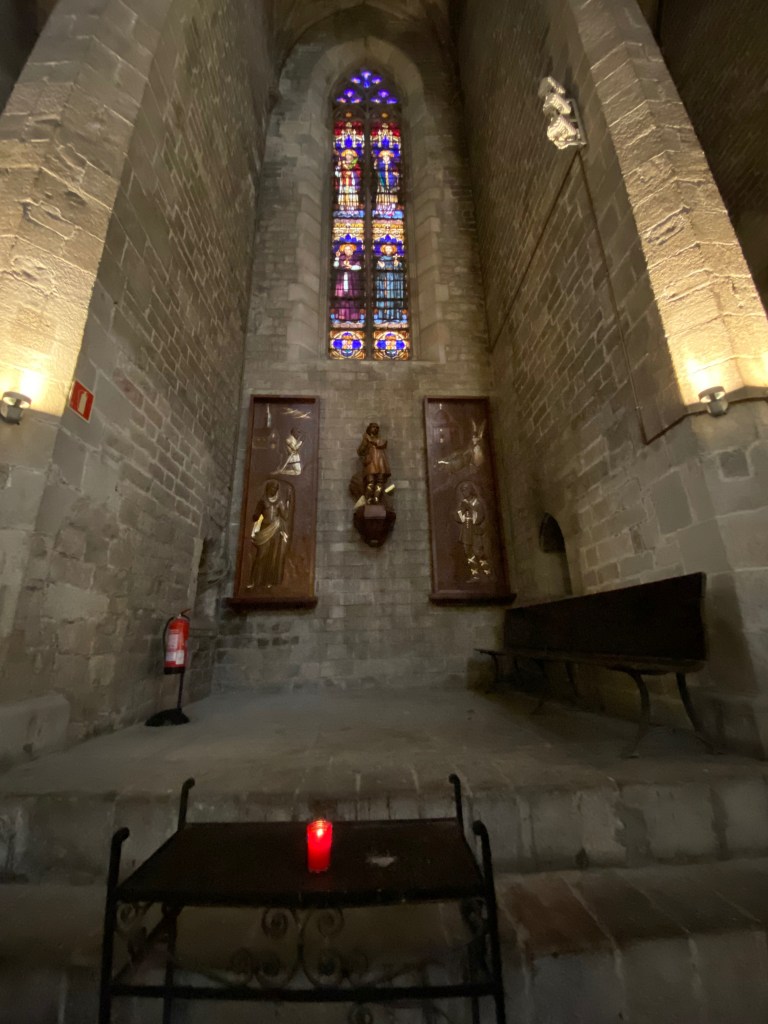
Santa María del Mar: The main connection the Santa Maria del Mar shares with Catalan culture is it’s ties to the virgin martyr, Saint Eulalia, a 13 year old girl who died for her Christian beliefs. She is a famous figure in Catalonia. After Christianity arrived during the historical period of the Roman colony of Barcino, a small Christian community was started near the sea and just outside its walls is where Christian, St. Eulalia was supposedly buried, and now where the existing structure “Santa Maria del Mar” resides. Centuries ago the original chapel was called “Santa Maria dels Arenys” – “Holy Mary of the Sands”. It was a popular church, a building made by workers for workers – though during the Spanish Civil War anarchists set fire to the beautiful church and it burned for the following 11 days. Consequently it is said only the original bones of St. Eulalia are left. The rebuild of the church took on a bascilian build and is the grandest solemn architectural space in Spain. There is also a Catalan vault within the chapel dedicated to St. Eulalia. The chapel represents Catalan Gothic architecture with it’s simplesque design and high ceilings. In additon, Santa Maria del Mar is mainly related to Catalan culture because the Catholic church is at the heart of Catalan culture.
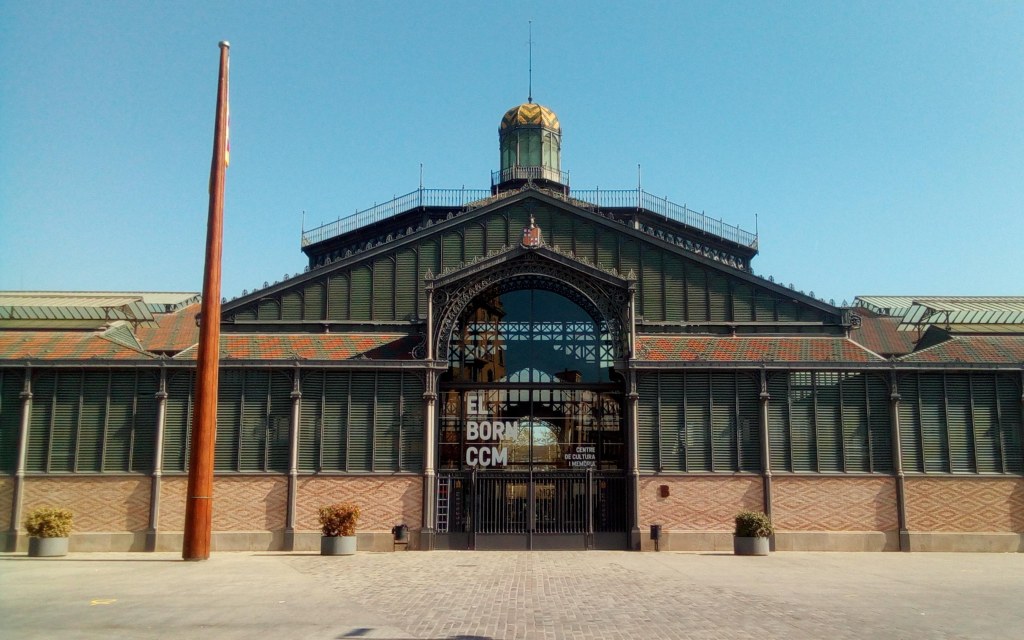
El Mercat del Born: The construction of this building signified the new era of production and trade and influence of Barcelona, and in modern-day Barcelona it functions as a Catalan museum. El Mercat del Born was a turning point for Catalan architecture. The structure of this building introduced the Modernisma movement. The main purpose behind Modernisma architecture and others like El Mercat del Born, is to set Catalan society apart from traditionalists and attempt to change culture through their art.
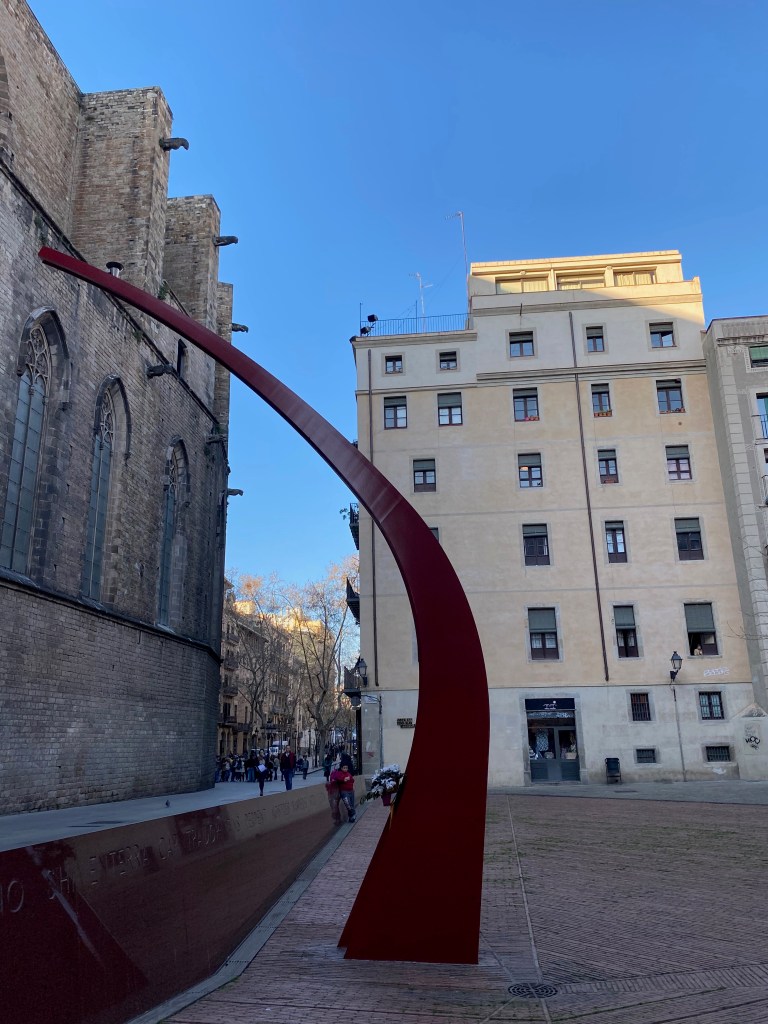
El Fossà de les Moreres: This location is an extremely important location in Catalan culture for several reasons. This landmark honors and holds the graves of many Catalan’s who fought in history during the Castillion seige of Barcelona. Unfortunately, which resulted in the destruction of the city. Many Catalan’s were remembered during this battle, specifically a university professor and his students when they attempted to defend the city against the approaching Castillion army. Their sacrifice is an important reminder of the Catalan mentality. Catalan’s honor this incident on the holiday which takes place on September 11th.
La Ciutadella Park (The Fortress of Philip V by 1714): La Ciutadella Park use to be a fortress made to prevent Catalan’s from rebelling against the Spanish, after Barcelona fell to King Phillip V, during the Spanish War of Succession. The park is heavily linked to Catalan culture because the fortress destroyed many Catalan dominated areas like the guilds of La Ribera, and forced labor and financial contributions amongst the Catalan’s. As a result, this fortress was viewed by the Catalan people s a symbol of Spanish opression. The fortress was later destroyed by the Catalan’s resulting in a seige from Montjuic, later becoming a citadel accompanyed with the Catalan parliament, and now is a famous park in Barcelona that attracts a great amount of tourism.
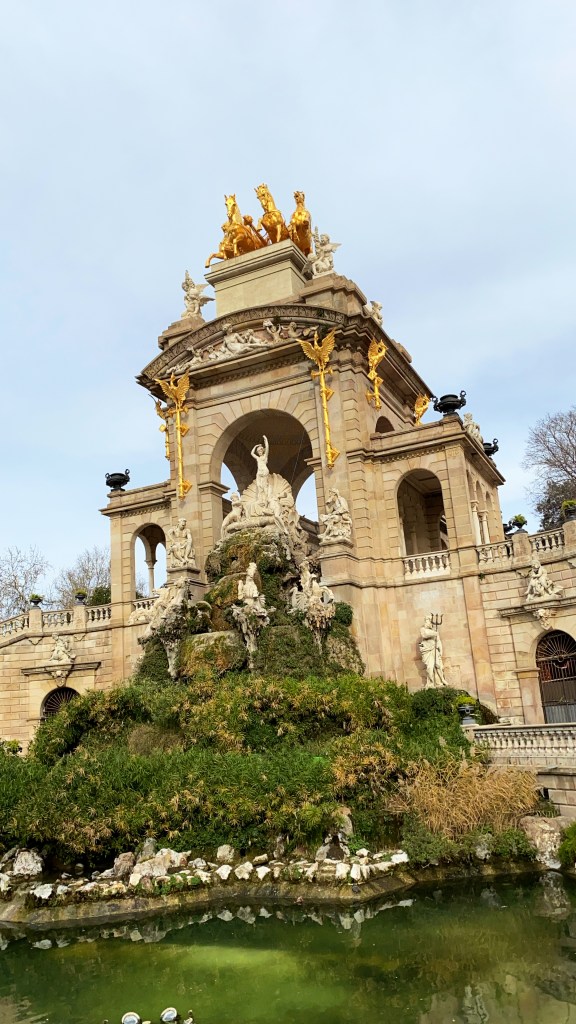
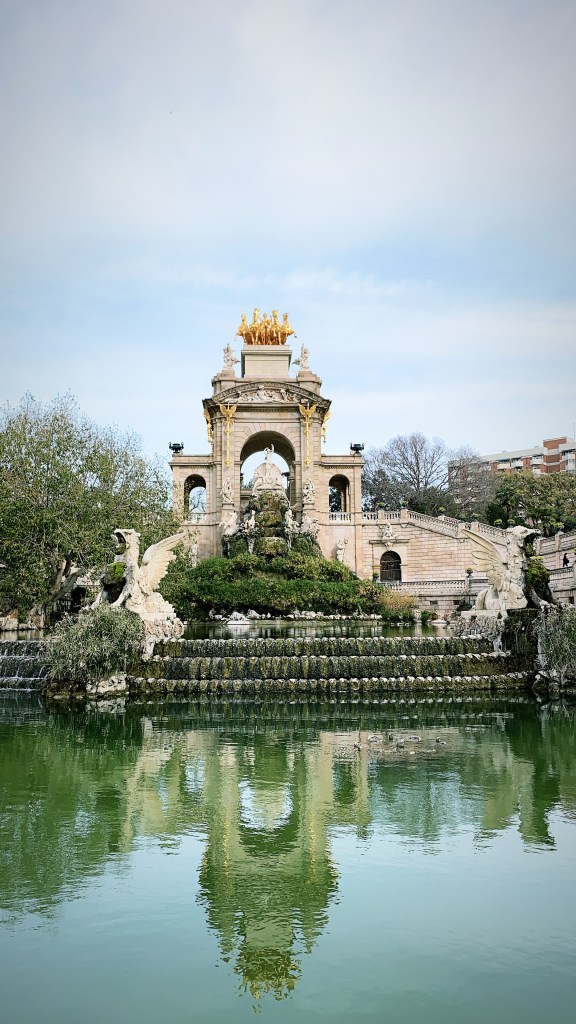
After September 11, 1714 Philip V proclaimed the decrees of Nova Planta in Catalonia. Several occurs changes occurred in Catalan society after this defeat. Some of which included the ban of all traditional Catalan values and the mandate of following Casitilian law. The end goal was to eventually unify a one country Spain; but as you see in modern day Spain this is far from the truth.
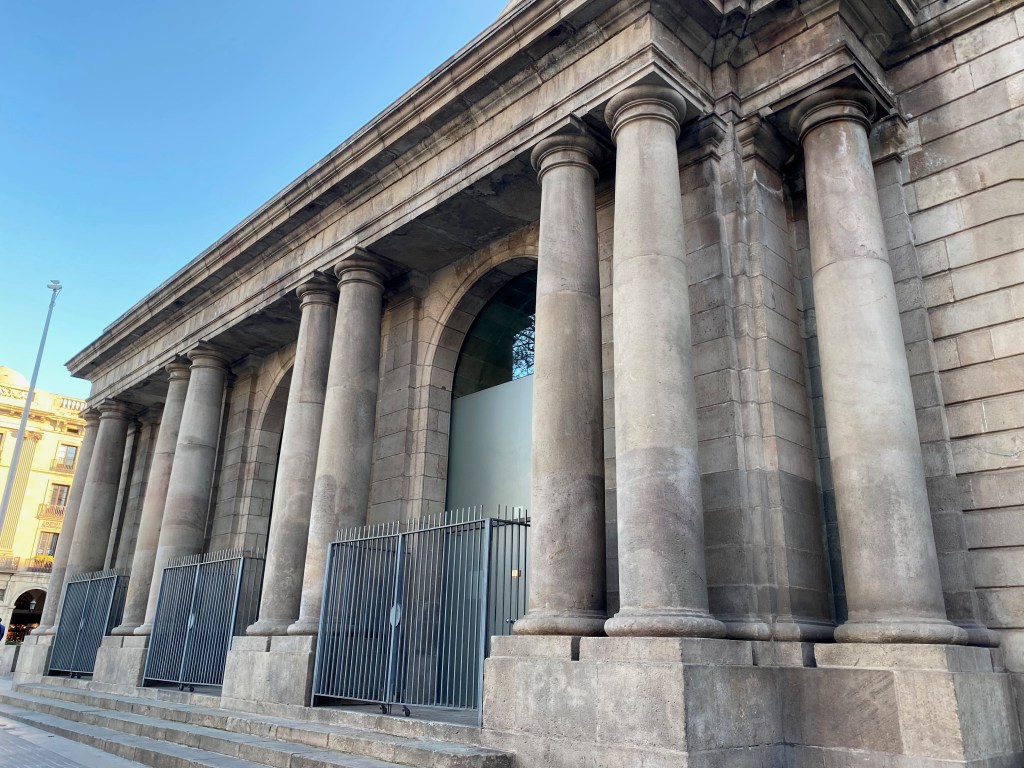
El Consolat de Mar: This building in Barcelona otherwise known as “La Lotja” was built in the 14th century by Pere Arbe. It was built to be a trade warehouse for goods and commodities, but now serves as the Barcelona Stock Exchange and corporate headquarters of the Barcelona Chamber of Commerce.
 Katie's Barcelona Blog